


Join the Conversation: Mental Health Awareness
May is Mental Health Awareness Month
Use the language below when posting about mental health on social media. Follow Lucet to see our content and share it on your account. You can also follow the steps below to post from your own account.
Create posts on your social media accounts
- Log in to one of your active social media channels to create a post.
- Scroll below and choose your desired social post language.
- Copy the caption and paste it into your social post editor.
- Right click on the corresponding graphic below to save it to your computer, then upload the graphic to your post to accompany the caption.
- Be sure to tag @LucetHealth. To tag any organizations listed in the caption, type @ in the social post editor, then start typing the desired organization. Choose the organization you want to tag from the dropdown list of pages that appear.
- Include the following hashtag in your caption: #MentalHealthMatters
- Post!
Share Infographic/Entire Toolkit
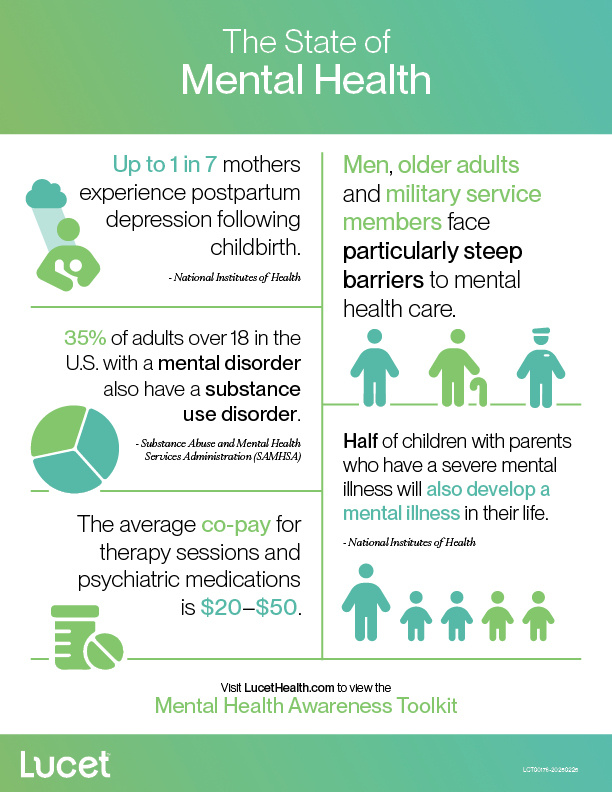
One in five adults in the U.S. lives with a mental health condition. That means many of us face mental health challenges, and none of us are alone. We can do better by learning how to understand and talk about mental health—with our seniors, our children, at work and everywhere else.
May is Mental Health Awareness Month. Use these resources to learn how people can live well with mental illness during May and all year long: resources.lucet.health/toolkit-mental-health-awareness
If you or someone you know is having a hard time, help is available. You can reach the Mental Health America 24/7 Crisis Text Line (Text MHA to 741-741).
Share Tips
Mental health conditions can affect every part of our lives, just like physical health problems, and sometimes even more. It’s important to take care of the people we love and pay attention if something doesn’t seem right.
Learn more about the signs of mental illness here: resources.lucet.health/toolkit-mental-health-awareness/mental-illness-know-the-signs
#BehavioralHealth #MentalHealth #MentalHealthMatters
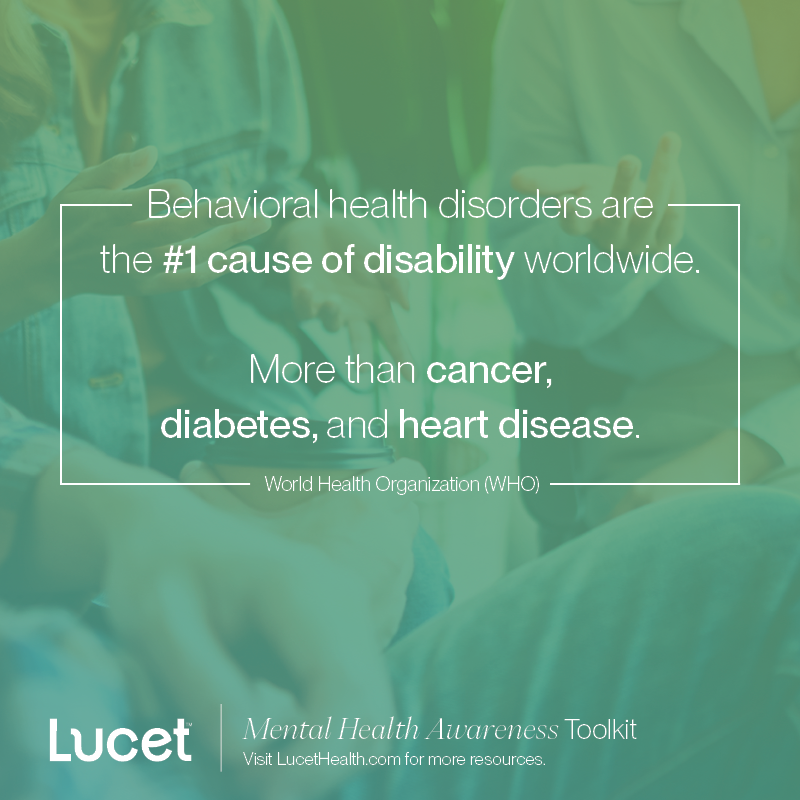
Mental health affects our bodies, our relationships, and how we enjoy life. Yet many people feel pressure to hide their struggles or avoid getting help. Talking openly about mental health can make a real difference. It’s time to put mental health first by clearing up myths and encouraging honest conversations.
Learn more about why mental health truly matters: resources.lucet.health/toolkit-mental-health-awareness/how-much-does-mental-health-matter
#BehavioralHealth #MentalHealth #MentalHealthMatters
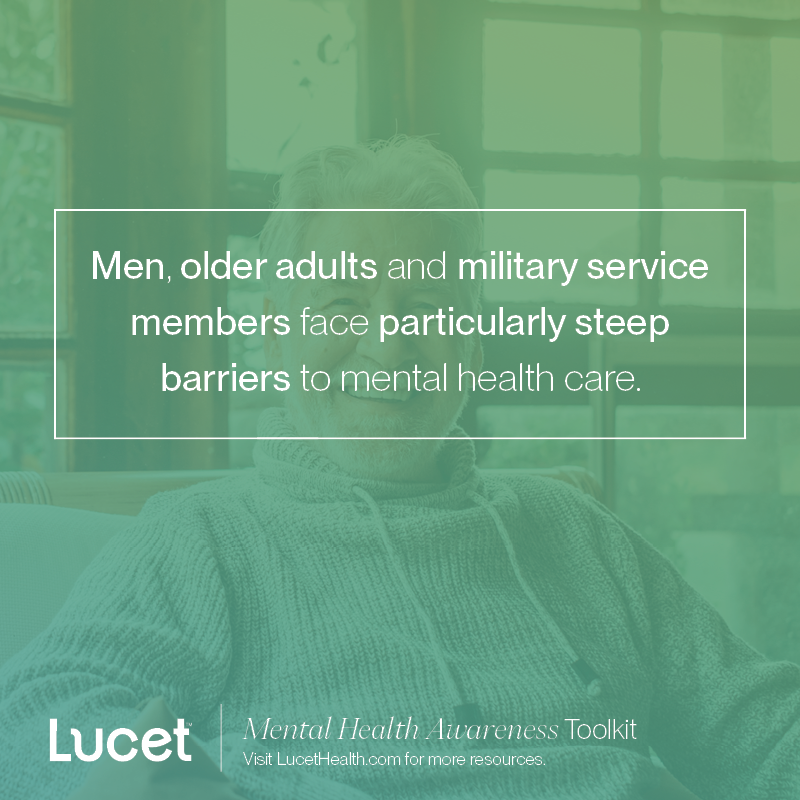
Understanding of mental illness is growing. Still, some gaps remain, like the need to focus on care that prevents problems, not just care after a crisis happens.
Read more and help clear up common mental health myths:
resources.lucet.health/toolkit-mental-health-awareness/mental-health-myths-and-facts
#BehavioralHealth #MentalHealth #MentalHealthMatters
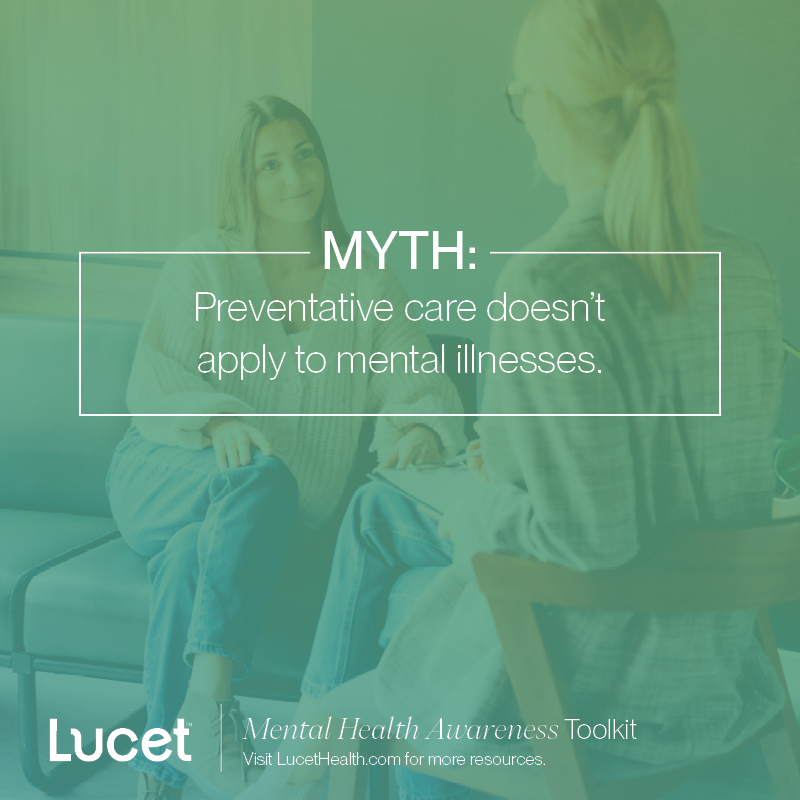
Health insurance can be confusing, especially when it comes to mental health care. You may be surprised to learn that some services are free or cost less than you expect.
Learn how your health insurance can help support your mental health and overall well‑being:
resources.lucet.health/toolkit-mental-health-awareness/4-wellness-benefits-you-can-access-through-health-insurance
#BehavioralHealth #MentalHealth #MentalHealthMatters

Building a daily habit of positive self‑talk can help everyone feel better and more confident. It can also help prevent mental health challenges before they start.
Read how: resources.lucet.health/toolkit-mental-health-awareness/the-benefits-of-positive-self-talk
#BehavioralHealth #MentalHealth #MentalHealthMatters
Taking the first step to improve mental health can feel hard. Reaching out to a therapist is often the most emotional part. These tips and reminders can help you or someone you care about get ready for a first counseling session.
Read more and share:
resources.lucet.health/toolkit-mental-health-awareness/your-first-counseling-session
#BehavioralHealth #MentalHealth #MentalHealthMatters
Share Articles
Mental health doesn’t affect just one person. When someone struggles, it can impact the whole family. That’s why it’s important to create a supportive space where everyone can heal and grow together.
Learn how family therapy, open conversations and supportive communication can help families build understanding and begin healing: resources.lucet.health/toolkit-mental-health-awareness/how-mental-health-affects-the-whole-family
#BehavioralHealth #MentalHealth #MentalHealthMatters

Becoming a mother is often seen as a happy time, but it can also bring emotional challenges. Many women experience mood changes, sometimes called the “baby blues.” Learning about postpartum depression can help new mothers understand what they’re feeling and know when to ask for help. It also helps family and friends offer better support.
Read more and learn how to get help: resources.lucet.health/toolkit-mental-health-awareness/demystifying-the-baby-blues
#BehavioralHealth #MentalHealth #MentalHealthMatters
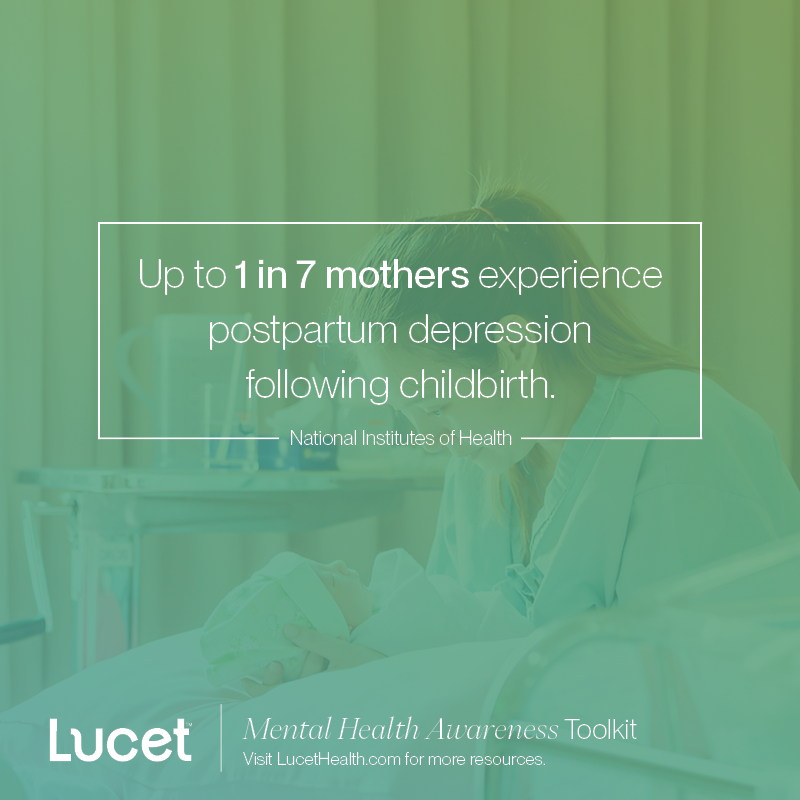
Sometimes people have more than one health condition at the same time. Physical health problems can affect mental health, like causing anxiety or depression, and mental health challenges can affect the body too. Taking care of our whole health means talking openly, without shame, and getting care that treats the whole person.
Read more and help break down barriers to better health: resources.lucet.health/toolkit-mental-health-awareness/understanding-mental-health-comorbidity
#BehavioralHealth #MentalHealth #MentalHealthMatters
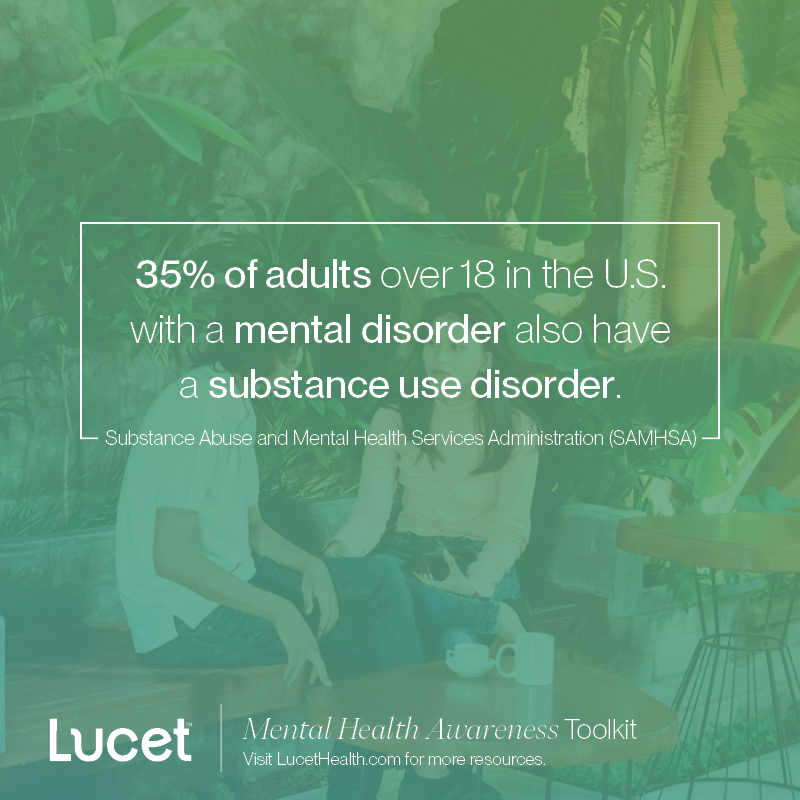
Many of us feel nervous when walking into a room full of people we don’t know. For people with social anxiety, these feelings can be very strong and can make everyday interactions hard. Social anxiety can get in the way of enjoying life and connecting with others.
Read how we can cope: resources.lucet.health/toolkit-mental-health-awareness/the-rise-of-social-anxiety-disorder-in-america
#BehavioralHealth #MentalHealth #MentalHealthMatters
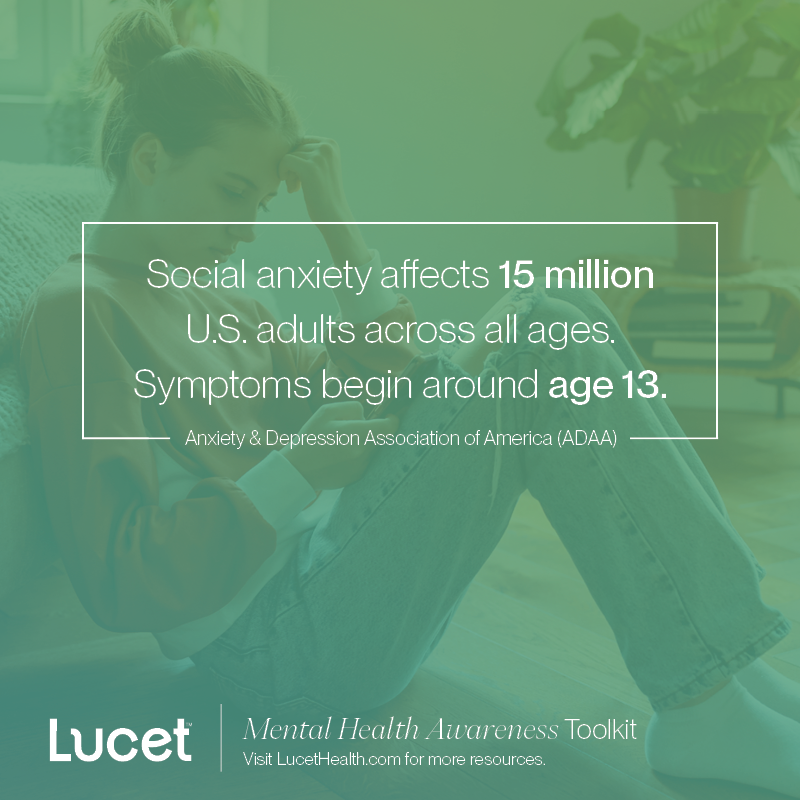
Young people know more about mental health than ever before. Parents play an important role in understanding how kids talk about these topics. If something seems off, it’s important to start the conversation and offer support.
Learn how kids talk about mental health and how parents can support them: resources.lucet.health/toolkit-mental-health-awareness/meeting-kids-where-they-are
#BehavioralHealth #MentalHealth #MentalHealthMatters
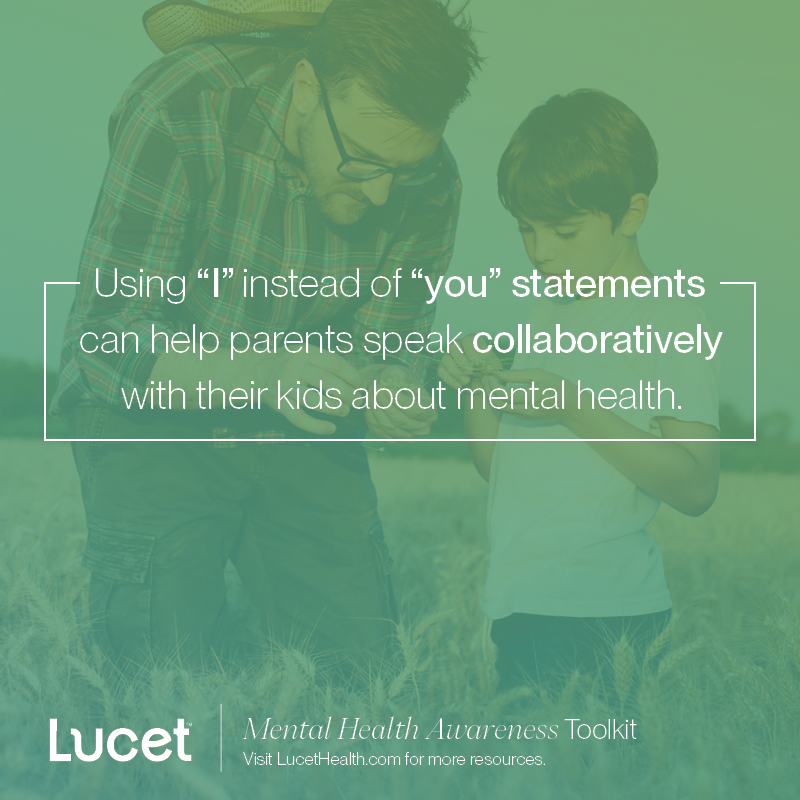
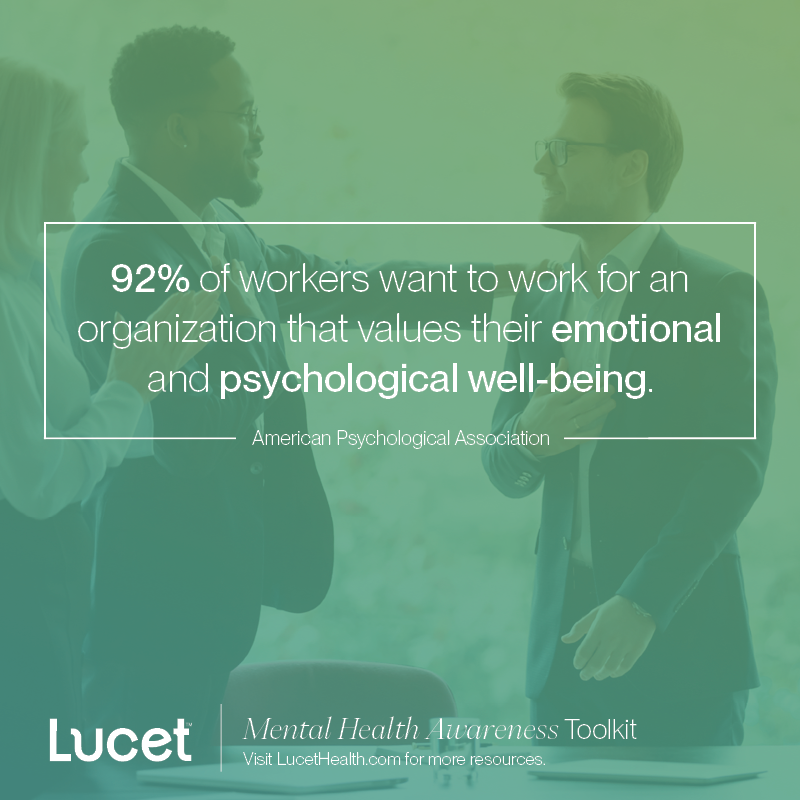
Today, more workers are thinking about mental health when looking for a new job. This shift is helping workplaces create better support and accommodations for mental well‑being.
Here’s what employees can look for and speak up about at work: resources.lucet.health/toolkit-mental-health-awareness/emphasizing-mental-health-at-work
#BehavioralHealth #MentalHealth #MentalHealthMatters
#MentalHealthMatters
If you or someone you know is struggling with mental health issue, help is out there. Contact the Mental Health America 24/7 Crisis Text Line (Text MHA to 741-741).